How to Choose Between ESG and Traditional ETFs in 2026: The Real Cost of NESG, SPXE vs EQQS and SPXS

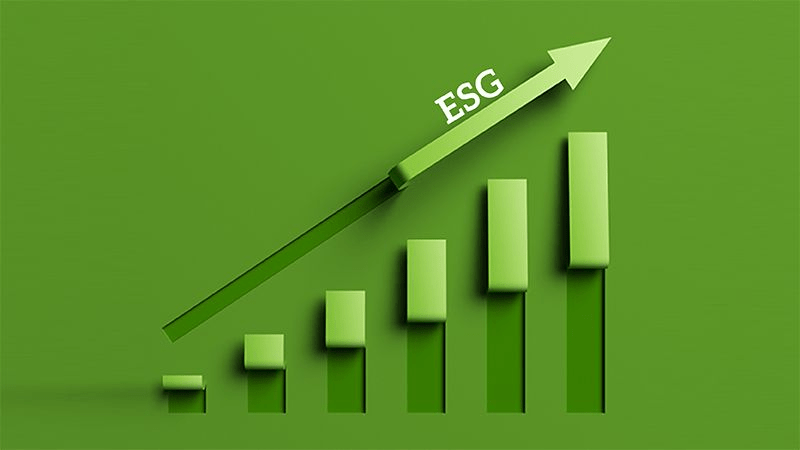
The transition from traditional investment indices to ESG-centric alternatives like NESG and SPXE highlights a pragmatic shift in finance. This move acknowledges that integrating Environmental, Social, and Governance criteria offers strategic advantages through risk mitigation, operational efficiency, and enhanced brand reputation, without sacrificing financial performance. A growing body of evidence suggests ESG strategies can perform comparably to, or even outperform, conventional benchmarks, proving that “doing good” and “doing well” are increasingly intertwined.
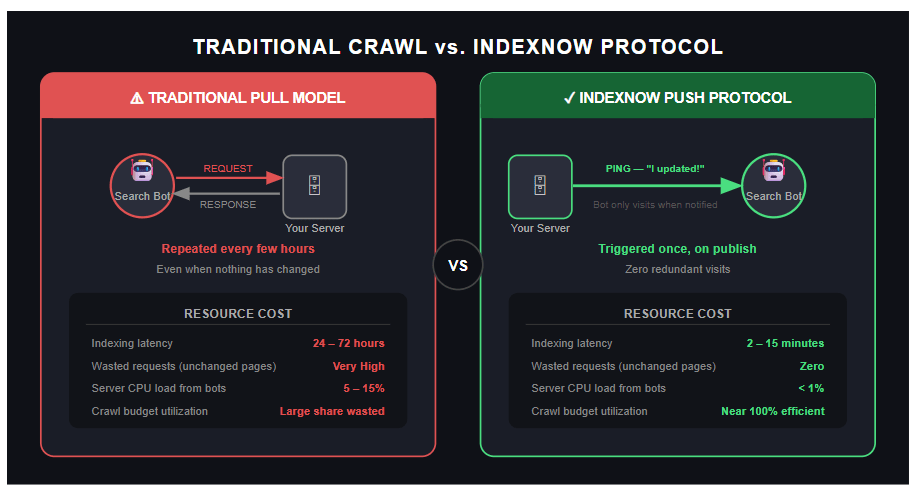
How a Simple “Ping” Is Making the Web More Efficient

Discover how the IndexNow protocol is revolutionizing SEO by replacing wasteful, energy-heavy web crawling with an efficient, real-time “Push” model. Explore 2026 benchmarks, Google’s sustainability pivot, and future solutions for a carbon-neutral internet.

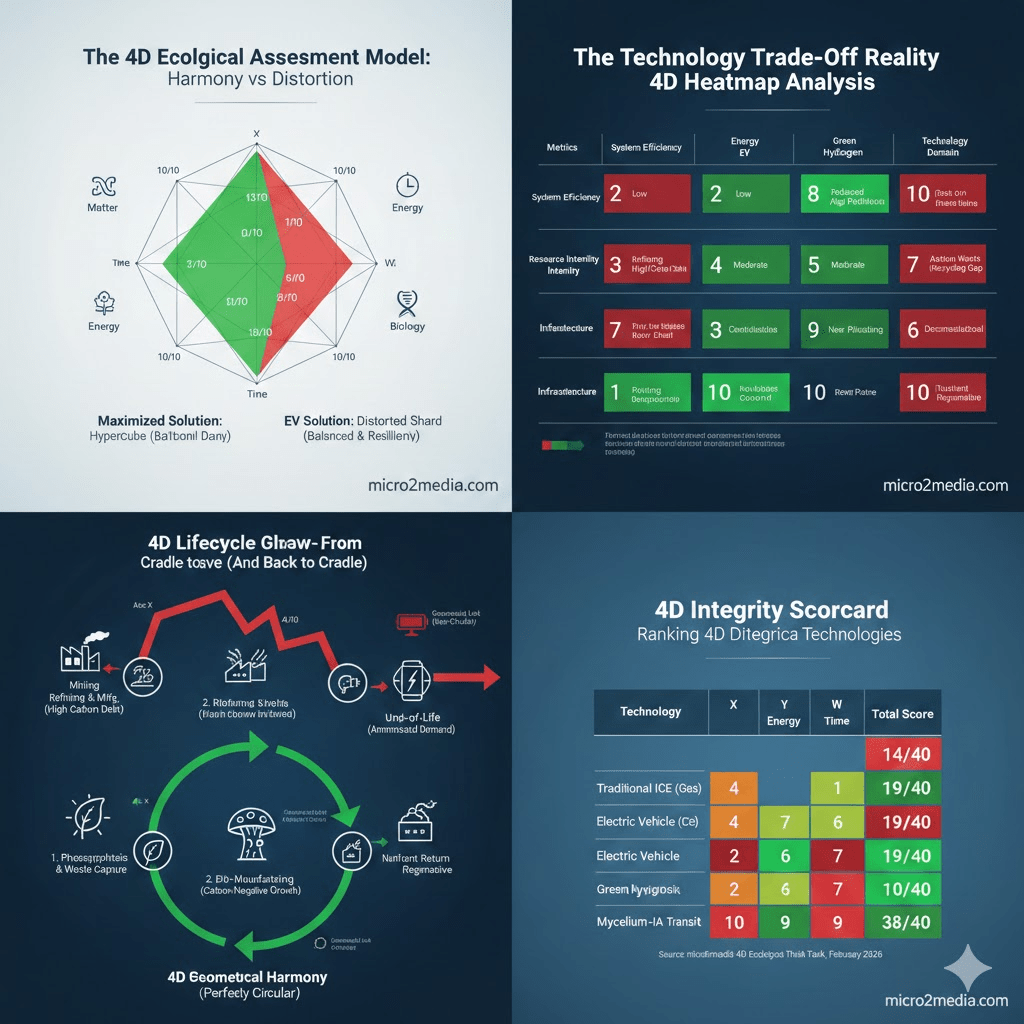
How to Master 4-Dimensional Ecology: Essential Steps for 2026

We are trying to solve multidimensional planetary crises with flat, one-dimensional thinking. By applying the principles of Descriptive Geometry to ecology, we reveal why the Electric Vehicle is a geometric illusion and how “Maximized” technologies—from Mycelium manufacturing to Edge IA—are the only way to redraw our future.

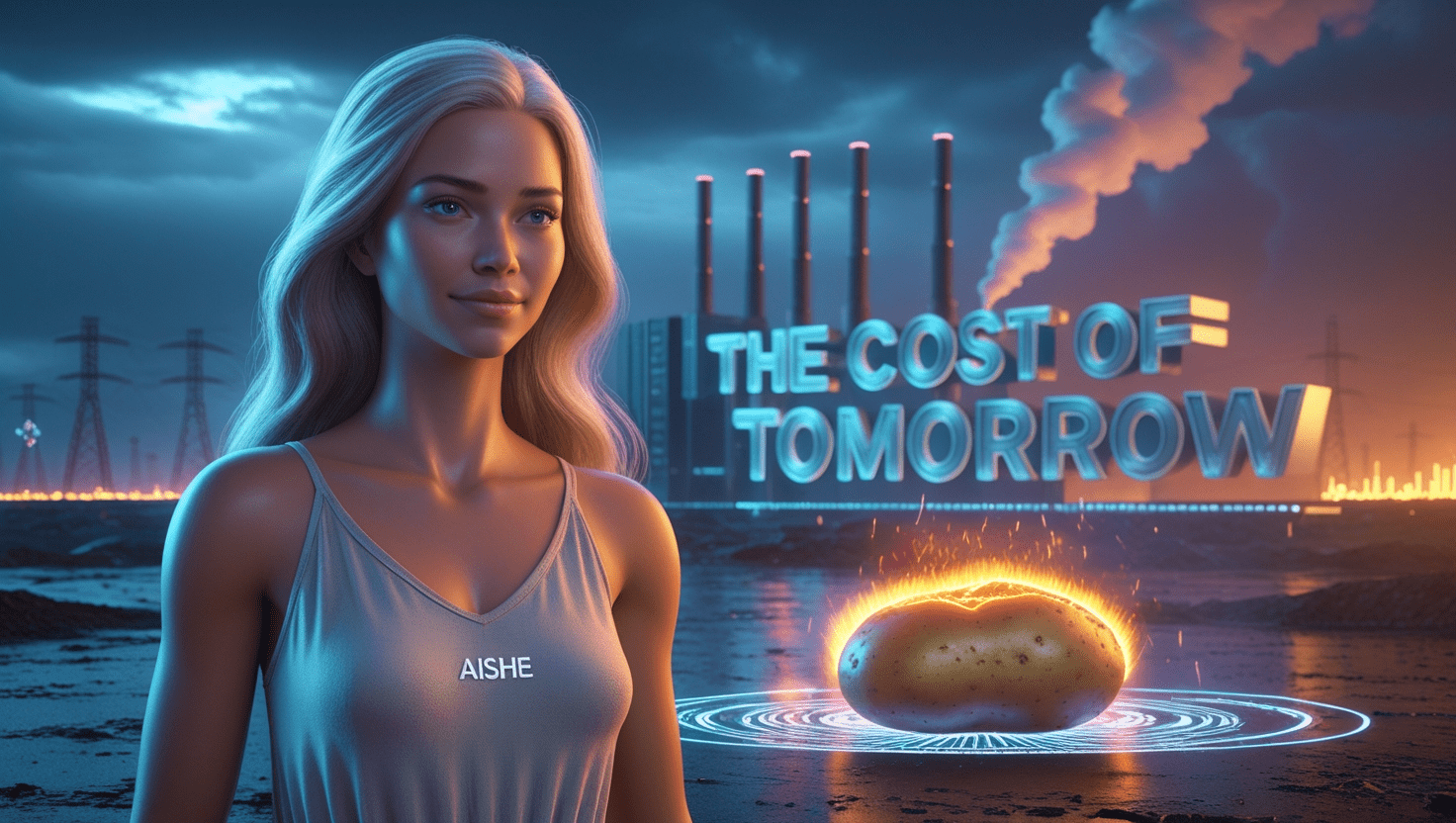
🤯 THE PARADOX OF THE CENTURY: THE ENERGY-HOGGING AI THAT WILL SAVE US ALL

AI’s massive energy use has branded it a climate villain, but it holds the key to solving renewable energy’s biggest problem: intermittency. By mastering grid prediction and storage optimization, AI is transforming from a resource glutton into the essential intelligence for a stable, green future, even optimizing its own consumption in colossal data centers. This is the new imperative: to use ecological hyper-intelligence to ensure our survival.

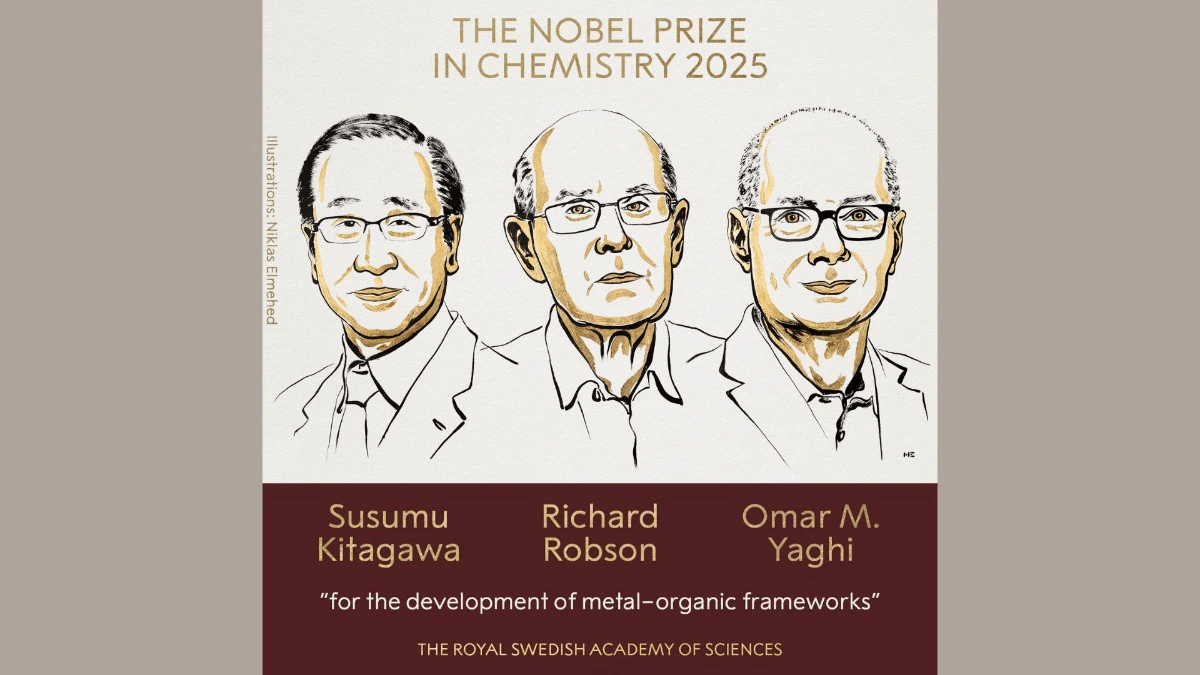
A Molecular Revolution: The Nobel Prize in Chemistry and the MOF-Powered Battle for a Sustainable Planet

Forget giant, clunky scrubbers. The 2025 Nobel Prize was awarded for the invention of Metal-Organic Frameworks (MOFs)—a custom-built, porous, crystalline material designed at the atomic level. These molecular sponges are now being deployed to capture CO2 directly from the atmosphere, selectively separating it from other gases with unprecedented efficiency. This is material science turning the tide on carbon emissions.

Free Worldwide shipping

On orders dispatched and delivered within the same country.

Easy 30 days returns

30 days money back guarantee

International Warranty

Offered in the country of usage

100% Secure Checkout

PayPal / MasterCard / Visa